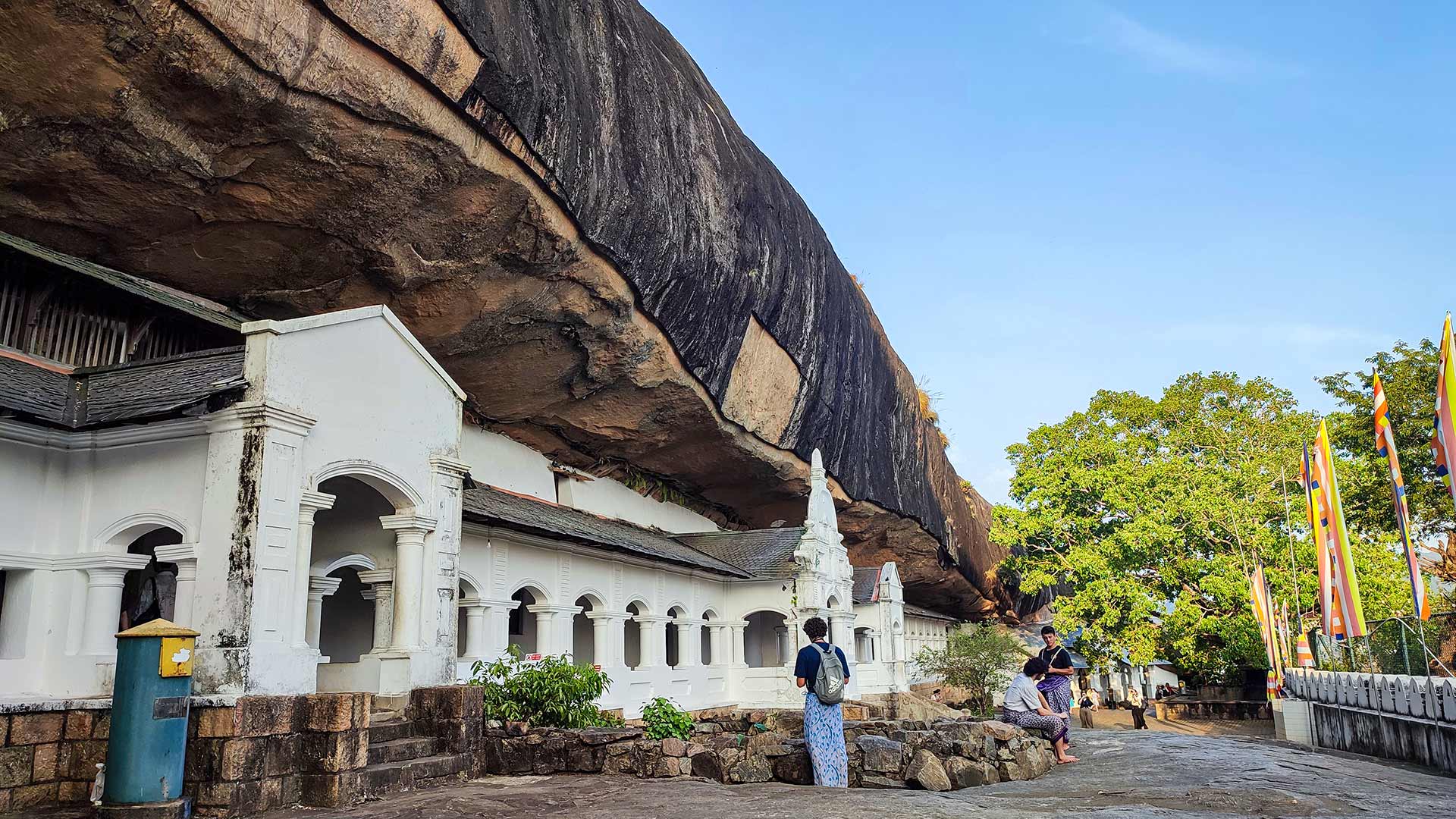

Sigiriya Rock Fortress
An ancient 5th-century rock fortress rising 180 m above the plains, famous for its Lion Gate, frescoes, and royal palace ruins.
At a glance
Plan your site visit
Check the visit effort, entry guidance, and suitable visiting conditions before travelling.
Travel distance
Visit effort
Best visit time
Entry fee
Overview
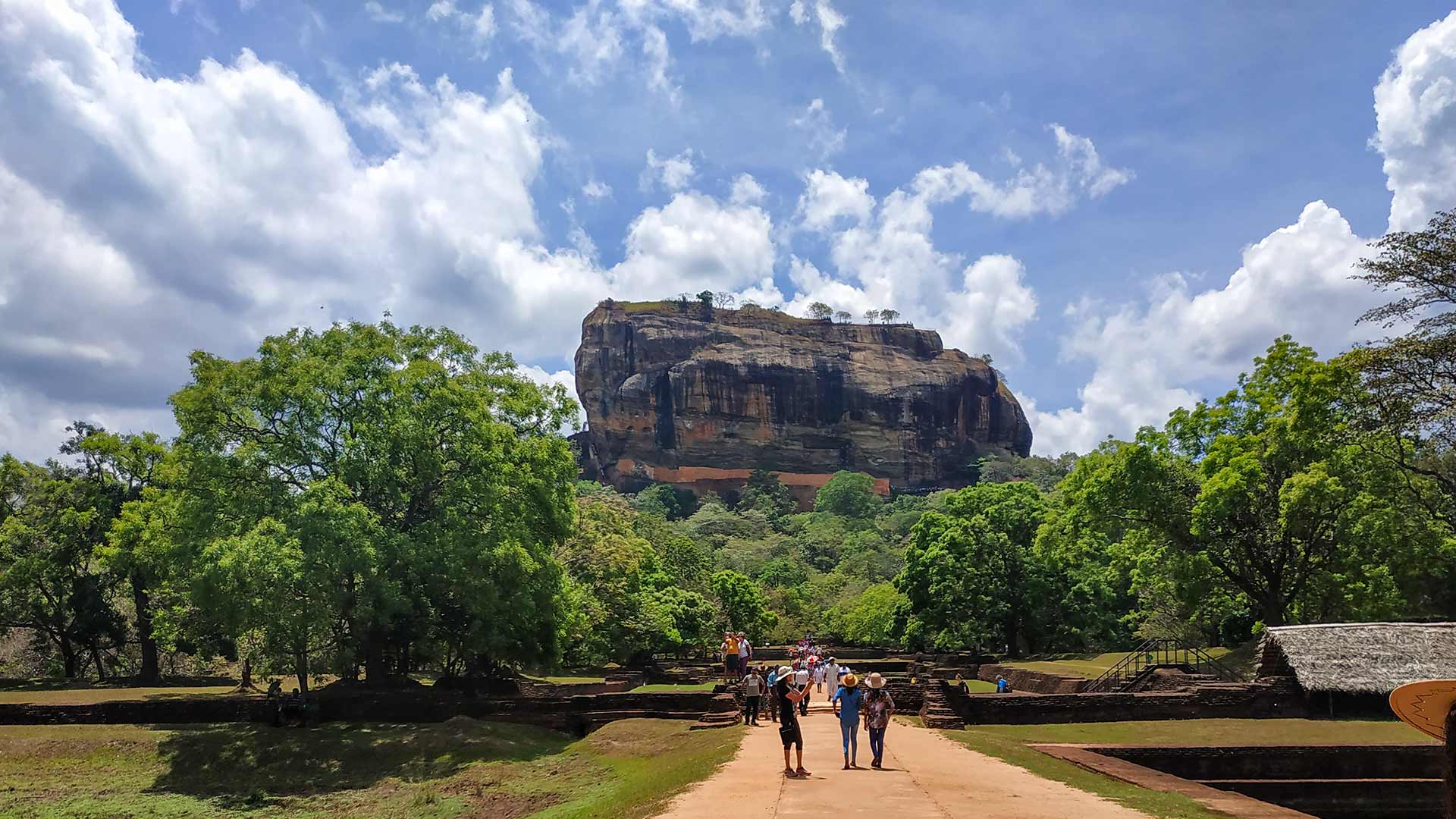
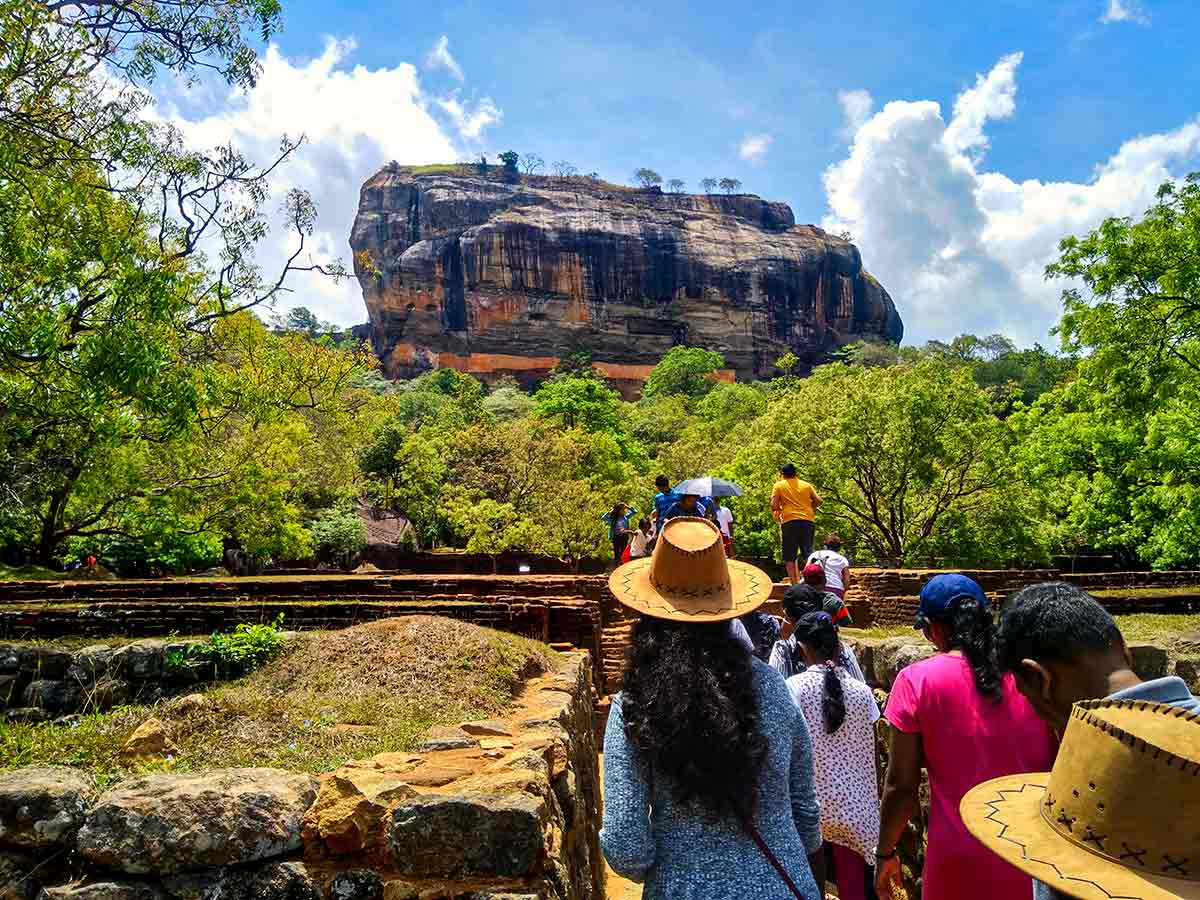
Sigiriya, also known as Sinhagiri (Lion Rock), is one of Sri Lanka's most iconic landmarks and a UNESCO World Heritage Site located near Dambulla in the Central Province. Rising nearly 180 metres above the surrounding plains, this massive granite rock was transformed into a royal fortress and capital during the reign of King Kassapa I, also spelled Kashyapa (477-495 CE).
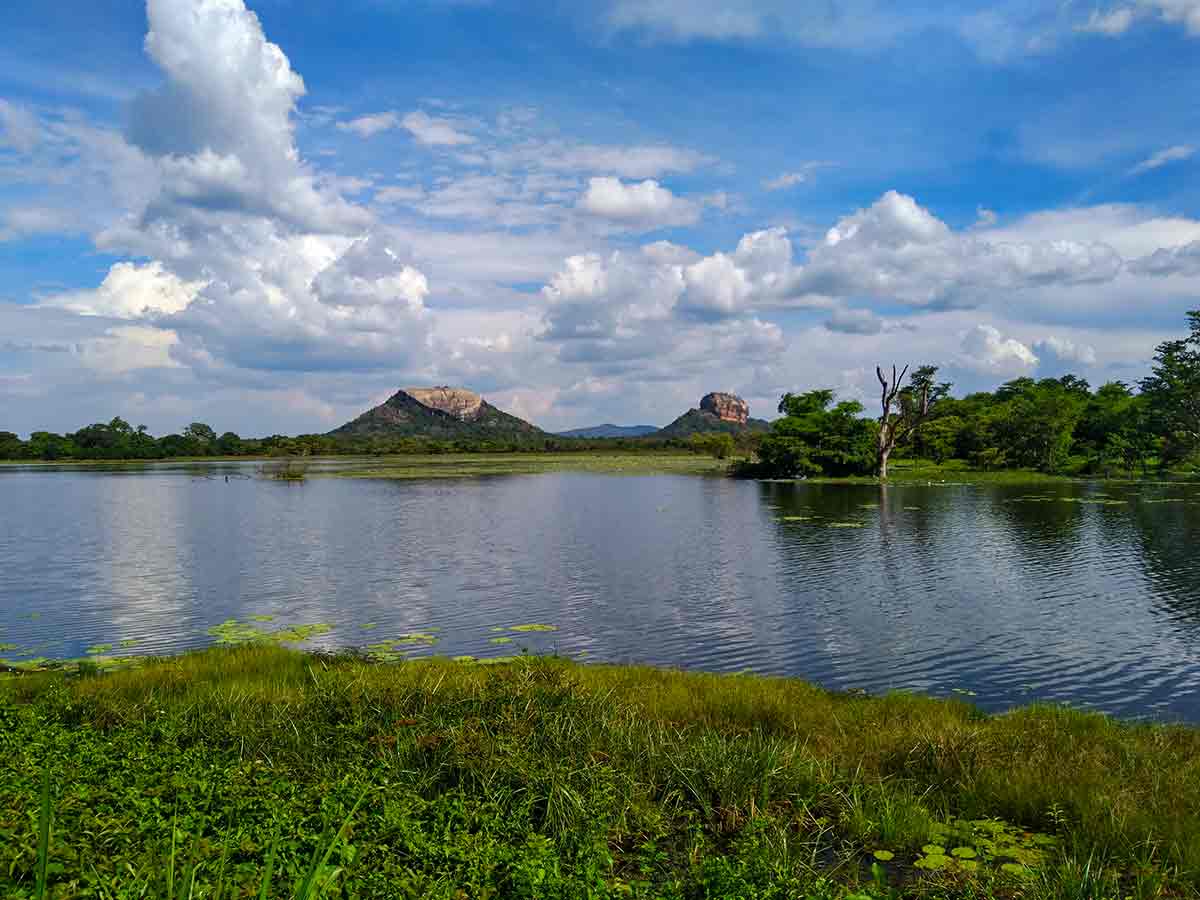
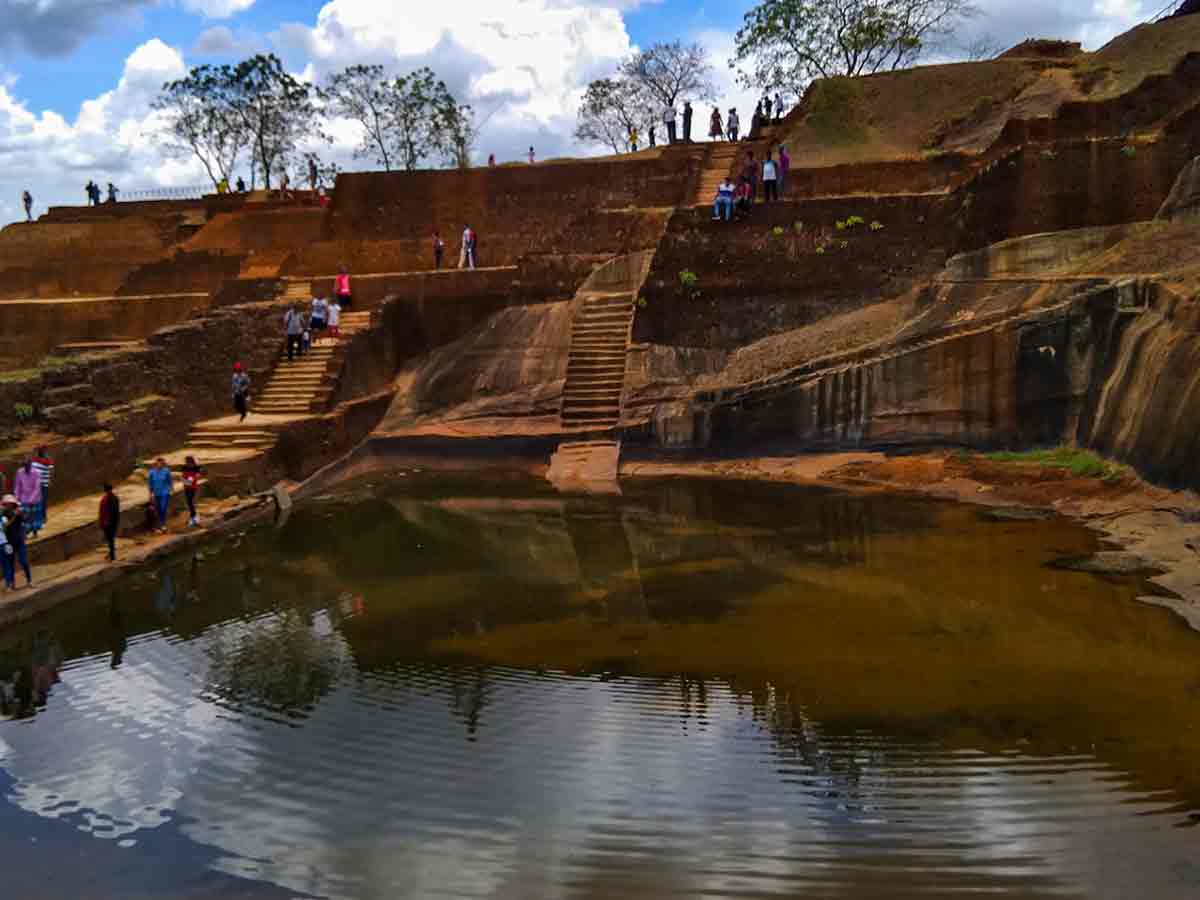
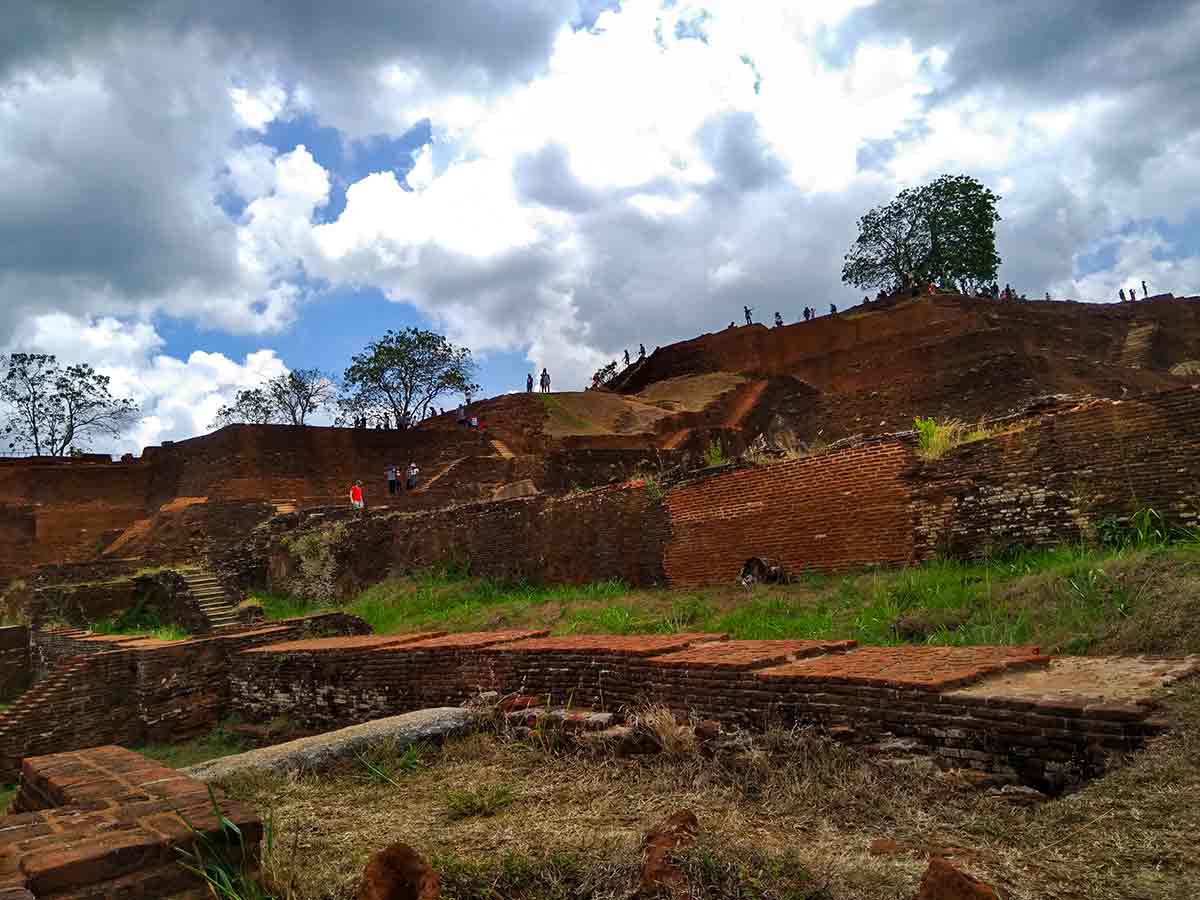
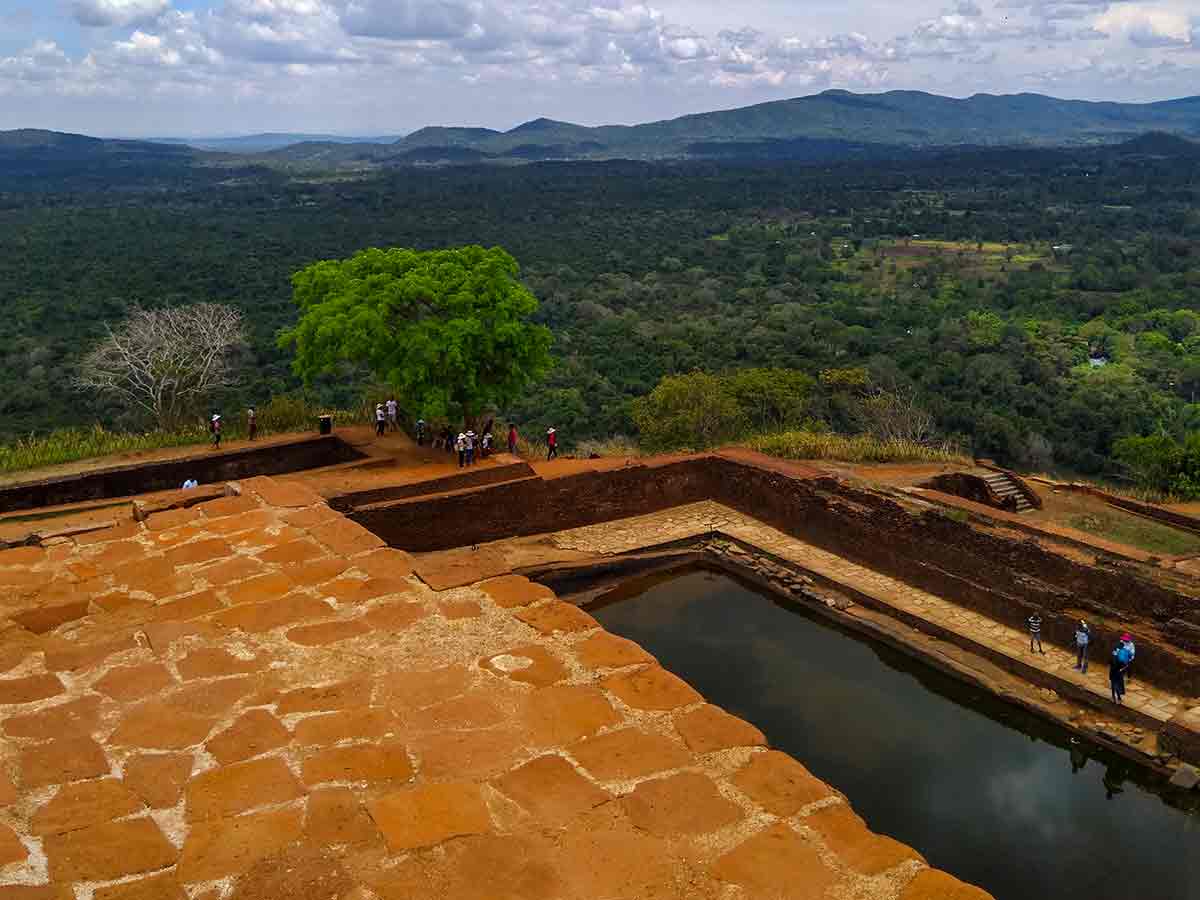
Originally a forested area inhabited since prehistoric times, Sigiriya became a strategic stronghold when King Kashyapa established his palace atop the rock. The summit once housed royal buildings, terraces and water-storage features, while the wider site incorporated carefully planned hydraulic gardens and defensive works.
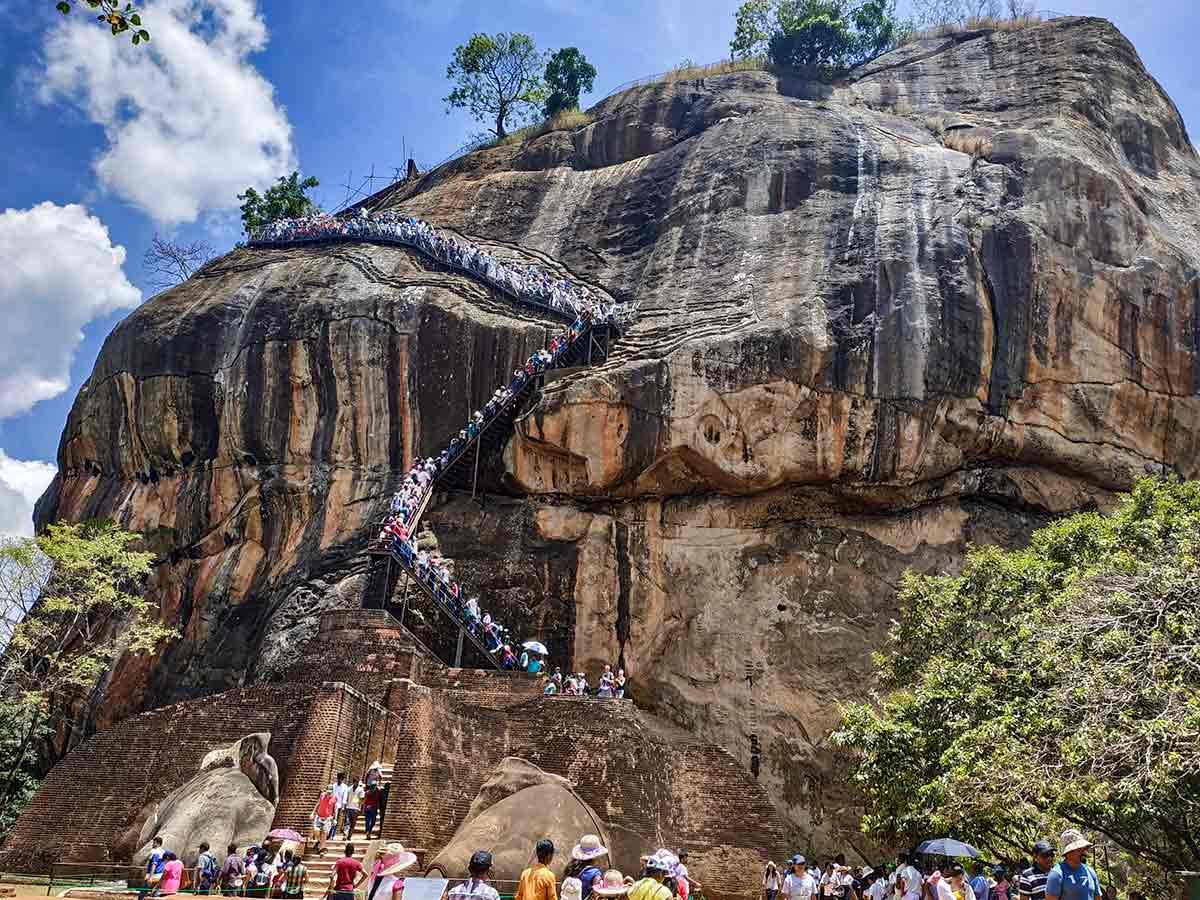
Halfway up the rock lies the famous Lion Gate, where a massive lion structure once guarded the entrance to the summit. Today, only the giant stone paws remain, giving the site its name - Lion Rock. Nearby, the Mirror Wall reflects ancient craftsmanship and once carried inscriptions and poetry from visitors dating back centuries.
Sigiriya is also renowned for surviving paintings of female figures on a sheltered rock face. Their precise identity and meaning are interpreted in different ways, so visitors should treat popular labels such as "Sigiriya Damsels" as interpretations rather than settled fact.
After Kashyapa's death, the site was abandoned as a royal capital and later used as a Buddhist monastery until around the 14th century. Today, Sigiriya stands as one of the best-preserved examples of ancient urban planning in Asia, combining architecture, landscaping, and engineering into a single monumental site.
Climbing Sigiriya involves ascending a series of staircases, terraces, and pathways, rewarding visitors with panoramic views of the surrounding forests and countryside from the summit.
Visitor planning
Entry and visitor planning
Check current entry arrangements, site-specific guidance, and the approach before travelling.
- Visiting times and conditions
- Year-round; plan for current weather and opening hours
- Fees and entry
- USD 35 (The official Central Cultural Fund foreign-adult price was USD 35 when checked on 9 August 2026. Eligibility, exchange-rate handling, ticket methods and prices can change, so verify the current amount through the official CCF ticket service before visiting.)
Location
Near Dambulla, Matale District, Central Province
Getting to the site
- From Colombo (~167 km • ~5 h)
Choose an approach
Select a marker to open that location in Google Maps.
Visitor guidance
Review these site-specific notes before visiting
- Be cautious on steep staircases, especially near the summit.
- Strong winds can occur at higher levels - hold railings where available.
- Avoid climbing during heavy rain - steps can become slippery.
- Follow marked paths and safety instructions.
- Keep distance from edges and avoid risky photo spots.
Travel Tips
- When possible, begin earlier within the site's current opening hours to reduce exposure to stronger daytime heat.
- The official visitor information listed opening hours of 7:00 AM to 5:00 PM when checked; verify current hours before travel.
- Carry water - the climb can be physically demanding.
- Wear comfortable shoes with good grip for stair climbing.
- Visit the surrounding water gardens before starting the ascent.
- Allow time according to your fitness, rest needs, weather, queues, and how much of the gardens and museum you plan to visit.
Gallery
Where to go next
Continue planning
These suggestions use reviewed itineraries, routes, and travel groupings. Map closeness alone does not prove direct road or trail access, especially across mountain terrain. Check each guide's Access section before combining stops.